
Takashi Ninja Samurai Game
Horizon Games, Inc.Role Playing
4.61.38K Reviews
- Version
- 3.9.9
- Installs
- 10.00M
- Age Rating
- Teen
Screenshots
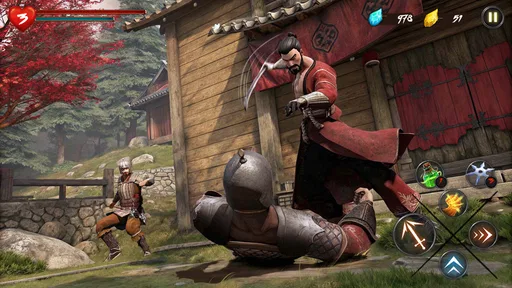
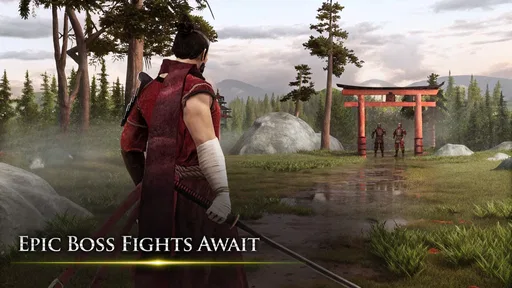
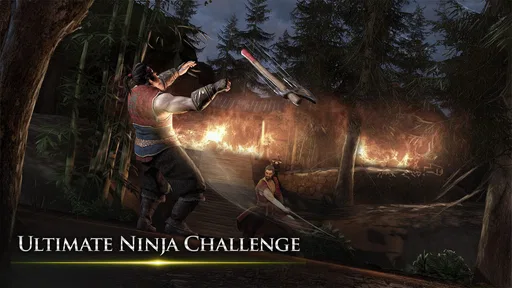
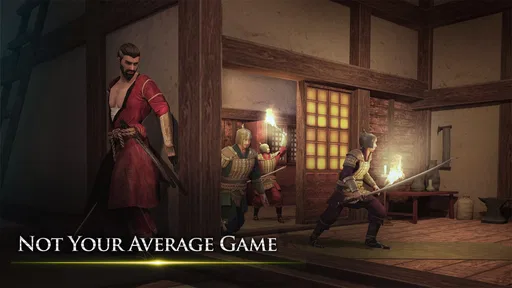
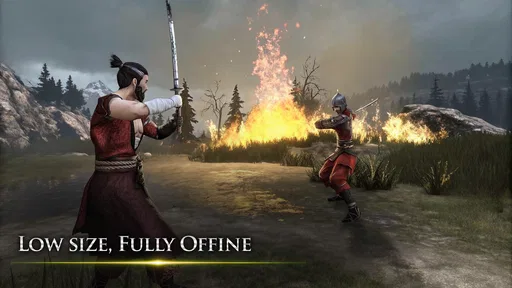
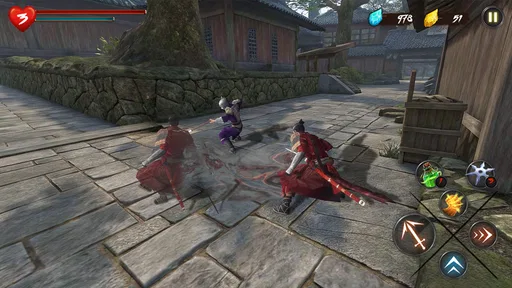
Our Review of Takashi Ninja Samurai Game
 Analysis by Appyee
Takashi Ninja is the kind of role-playing game I would suggest to someone who wants a focused mobile adventure rather than a menu-heavy social game. I played it as a free 3D ninja RPG from Horizon Games, Inc., and its appeal is easy to understand: you move through dangerous encounters, learn the timing of close combat, and gradually become more comfortable with Takashi’s journey. The experience is built around fighting well, not simply tapping through battles.
That distinction matters when you first open it. The game can look familiar if you have tried other mobile action RPGs, but it expects you to pay attention to attacks and movement. I found the early minutes more enjoyable once I stopped treating every enemy as something to rush through. Watching an opponent, choosing when to strike, and avoiding unnecessary damage gives the combat a satisfying rhythm.
My main advice for a first-time player is to treat the opening as a lesson in patience, not a race toward the next objective. That approach makes the first meaningful victory feel earned and also reduces the frustration that can come from repeatedly attacking without reading the situation.
What the first session feels like
The game presents itself as a fantasy ninja adventure with a 3D presentation and role-playing progression. You take control of Takashi and work through combat-focused situations where positioning and attack timing matter. It is not the best match for somebody looking for a quiet puzzle game or a purely automatic battle system. I would place it closer to an action-oriented RPG that happens to be designed for a phone or tablet.
The free entry point is useful because you can test the combat without committing money first. Optional purchases range from $0.99 to $4.99 per item, so I would recommend playing through the opening before deciding whether spending anything adds value for you. I never felt that a new player needed to buy something immediately just to understand the game. The more important early investment is attention: learning how Takashi moves and how enemies behave.
The Teen content rating is also worth taking seriously for families. This is a combat game centered on ninja fighting, so it is better suited to teenagers and adults than to young children. If you are choosing something for a child, I would look for a gentler adventure instead of assuming that a stylized visual presentation makes the action suitable for everyone.
On the technical side, the current version is 3.9.9 and it requires Android 8.0 or later. That makes checking your device before installing a sensible first step, especially if you are using an older phone. The game has attracted over 10 million installs and holds a 4.6 average from around 163,000 ratings, which suggests that its central combat loop has found a substantial audience. Those figures do not replace personal testing, but they do indicate that this is an established mobile RPG rather than an obscure experiment.
How I approached the opening
When I began, I resisted the temptation to press through every prompt as quickly as possible. I used the first encounters to notice how much space Takashi needed to attack safely and how quickly an enemy could punish a careless approach. That small change made the game feel less random. A failed exchange usually pointed to a specific mistake, such as attacking from a poor position or continuing a sequence after the opponent had an opening.
I also kept my first sessions short. Action games on a touchscreen can become tiring when played with tense hands, and tired reactions made my decisions worse. A brief session gave me enough time to practice one idea, such as waiting for a safe opening, without turning every defeat into a long grind. For a new player, this is a practical way to build confidence without spending resources or relying on purchases.
Getting through the initial setup
The installation decision is straightforward if your device runs Android 8.0 or newer and you want a free role-playing game with direct combat. After launching, I would suggest taking a moment to become familiar with the screen before worrying about progress. Find the movement area, identify the attack controls, and notice where the game communicates damage or danger. That short inspection is more valuable than immediately searching for the fastest way to clear an encounter.
I would also begin with a stable connection and enough battery for a complete introductory session. I am not suggesting a special requirement; it is simply frustrating to learn a combat pattern and then stop halfway through because the phone is nearly empty. If you are installing on a device with limited storage or an older processor, keep expectations realistic about how comfortably a 3D action game will run. The minimum operating system tells you whether installation is supported, but it does not guarantee identical performance on every handset.
Do not let the presence of in-app purchases shape your first decision. The available items cost between $0.99 and $4.99 each, but the sensible workflow is to understand the basic loop first. I prefer to know whether a game’s movement and combat feel right in my hands before considering optional spending. In this case, a purchase cannot solve the main early challenge, which is learning to fight with control.
For parents, the Teen rating should be part of the setup conversation. I would make sure the player understands that this is an action RPG, not simply a character-customization app with occasional battles. For adults who share a device, the rating is less of a concern, but the combat focus still means it may not be appropriate for a shared family profile used by younger children.
The first useful habit: slow down before attacking
My first practical lesson was to stop opening every encounter with an immediate attack. Instead, I moved just enough to see how the opponent responded. This created a safer pattern: observe, approach, strike, then create space rather than remaining committed to a long exchange. Even when the game gives you a chance to attack quickly, waiting can reveal a better moment.
This habit is especially useful on a touchscreen because frantic input can make a simple mistake feel like a control problem. If Takashi takes damage, I first ask whether I chose the wrong moment instead of assuming the game is unfair. That question helped me improve faster than repeatedly restarting and using the same sequence.
A second useful habit is to separate progress from perfection. I did not need to perform brilliantly in every early encounter to learn something. A messy victory still showed me which approach worked, while a defeat clarified what to avoid. Players who usually enjoy turn-based RPGs may need a little adjustment here because the most important decision happens during the exchange, not only in a character screen or equipment menu.
Finding the first meaningful success
For me, the first meaningful success was not simply reaching another screen. It was winning an encounter after deliberately changing my approach. I waited for a safer opening, attacked without overcommitting, and gave myself room to react afterward. That victory demonstrated what the game wanted from me: not blind speed, but a basic understanding of timing and distance.
If you are starting today, set a small goal for the first session. Learn one attack pattern, complete one encounter with fewer careless hits, or identify the moment when an opponent becomes vulnerable. A narrow goal is more reassuring than trying to master the entire system at once. Once that first improvement becomes repeatable, the rest of the game feels less intimidating.
One detail I found helpful was reviewing the moments immediately before taking damage. In many mobile games, players remember the hit but not the decision that caused it. Here, I tried to notice whether I had moved too close, attacked while the enemy was ready, or failed to leave space after striking. That simple self-review turns combat into practice rather than a sequence of unexplained setbacks.
I would not spend money after a single difficult fight. First, repeat the encounter with a calmer rhythm and see whether the problem is mechanical. Optional purchases may be tempting when progress feels slow, but the core question is whether you enjoy learning Takashi’s combat. If you do not enjoy that process, buying an item is unlikely to make the game a better fit.
Why the 3D presentation helps, and where it does not
The 3D view makes movement and distance easier to understand than a flat menu-based battle screen. I could read an encounter as a space rather than just a list of commands. That gives the ninja theme more presence and makes successful positioning feel connected to the environment around Takashi.
At the same time, a 3D action game can feel less convenient than a traditional turn-based RPG when I only have a few spare minutes. Turn-based alternatives let me pause between decisions and often make progress easier to manage during a commute or a short break. Takashi Ninja is better when I can give the screen my full attention, because distracted input affects the outcome.
Compared with an idle RPG, this game asks more from the player. An idle title may be preferable if your priority is collecting rewards while doing something else. I would choose Takashi Ninja instead when I want my decisions to matter during a fight and I am willing to practice. Compared with a large open-world mobile RPG, it can also feel more focused: there is less reason to treat it as an endless checklist and more reason to concentrate on the immediate encounter.
Common confusion during early play
The first confusion I would expect is mistaking fast attacks for effective attacks. A ninja fantasy can create the expectation that constant aggression is the correct style, but I found that rushing often removed my chance to react. The better approach was to make each attack purposeful and then reassess the situation.
Another point of confusion is the difference between a temporary setback and a genuine progression problem. When I struggled, I first changed my timing and positioning before looking for a stronger solution. This matters because role-playing games often encourage players to search for upgrades whenever they lose. In this game, improved equipment or optional purchases should not replace learning the combat rhythm.
New players may also wonder whether they should save every resource immediately. My approach was more practical: avoid waste, but do not become so cautious that the game stops being enjoyable. Use what helps you understand the current challenge, then pay attention to whether the result is a real improvement. The useful question is not “Can I keep everything?” but “Does this choice make my next encounter clearer and more manageable?”
Touch controls can create another source of doubt. If an input feels late or a movement seems awkward, try changing your hand position and reducing unnecessary gestures before blaming the character. I found that keeping my movements deliberate helped more than trying to react with rapid, repeated taps. A relaxed grip also made longer sessions more comfortable.
Who should play, and who should skip it
I would recommend this game to players who enjoy ninja themes, action-based role-playing, and the satisfaction of improving through repeated encounters. It is a good choice if you want a free starting point and prefer direct control over automatic battles. The large install base and strong average rating make it an easy candidate to try, but the real deciding factor is whether you like learning through combat rather than simply collecting characters.
I would skip it if you want a game that can be played almost entirely one-handed while your attention is elsewhere. I would also look elsewhere if you prefer deep turn-based planning, a relaxed storybook pace, or a social RPG built around constant interaction with other players. Those alternatives may serve you better because Takashi Ninja’s strongest quality is its immediate fighting, not passive progression or a quiet narrative routine.
It is also not my first recommendation for very young players because of the Teen rating and combat focus. For a teenager or adult who enjoys action games, however, the rating is a useful expectation setter rather than a reason to avoid it automatically.
What to do after the first victory
Once you have completed an early encounter successfully, do not immediately change everything about your play style. Repeat the same basic approach until it feels natural. I found that consistency was more valuable than experimenting with every possible option at once. After that, begin adjusting one decision at a time: attack sooner, create more distance, or test how aggressively you can approach a different opponent.
This is also the point where I would decide whether the game deserves regular space on my phone. Give it a few focused sessions rather than judging it from one tutorial fight. Notice whether your improvement feels satisfying, whether the touchscreen remains comfortable, and whether the progression gives you a reason to return. Those answers are more personal than a rating and will tell you whether the free download is worth keeping.
If you enjoy it, optional purchases can be considered carefully, but I would set a limit before buying. The individual items cost $0.99 to $4.99, and small purchases can add up when made impulsively. I prefer to spend only after understanding what I am receiving and confirming that it supports a game I already enjoy. If the combat still feels frustrating after several thoughtful attempts, keeping your money and choosing another RPG is the better decision.
Horizon Games, Inc. has built a game with a clear identity: Takashi’s journey is carried by 3D ninja combat and role-playing progression rather than by a passive collection loop. That focus is both its strength and its boundary. It gives victories a physical, personal feel, but it also demands attention and patience from the player.
My final recommendation is cautious but positive. Install it if you want a free mobile action RPG and are ready to learn its timing instead of button-mashing through it. Start slowly, use the first encounters as practice, and judge optional purchases only after the core loop has earned your interest. With that mindset, Takashi Ninja becomes a satisfying choice for focused sessions; without it, the same combat may feel repetitive or demanding. For me, the game works best as a deliberate ninja adventure to return to when I have enough attention to fight well.
Verdict
Strengths of Takashi Ninja Samurai Game
- Fast-paced combat feels responsive and satisfying.
- Simple controls make it easy to start playing quickly.
- Stylized ninja visuals give the game a distinctive atmosphere.
- Short levels are convenient for quick gaming sessions.
- Action-focused gameplay works well for fans of samurai themes.
Limitations of Takashi Ninja Samurai Game
- Progression may feel repetitive after extended play.
- Difficulty can become frustrating during later stages.
- Limited variety in enemies may reduce long-term appeal.
- Some devices may experience occasional performance issues.
- Frequent ads can interrupt the gameplay experience.
Similar Picks in This Category
View All
Hair Dye
CrazyLabs LTD4.4

Monster High™ Beauty Salon
CrazyLabs LTD4.5

Bus Simulator - Bus Games 3D
Jima Apps4.4

Flight Pilot: 3D Simulator
Wildlife Studios4.1


Super Stylist Fashion Makeover
CrazyLabs LTD4.4
Frequently Asked Questions
What is Takashi Ninja Samurai Game about?
Takashi Ninja Samurai Game is an action-adventure title set in a dark, stylized Japanese-inspired world. You play as Takashi, a warrior who explores dangerous areas, fights enemies with sword-based combat, completes missions, and uncovers a larger story involving corruption, monsters, and samurai traditions. The game combines exploration, stealth elements, battles, upgrades, and cinematic environments rather than focusing only on quick arcade-style fights.
Is Takashi Ninja Samurai Game free to download and play?
The game is generally available as a free download, although the exact pricing and available features can vary depending on whether you install it from Google Play or another supported store. Free versions may include advertising, optional in-app purchases, or additional content that can be unlocked. Before downloading, check the current store listing for supported devices, purchase details, permissions, and any restrictions in your region.
Does the game require an internet connection?
Takashi Ninja Samurai Game may allow parts of the main adventure to be played offline after installation, which is useful when you are traveling or have limited connectivity. However, an internet connection can still be required for downloading the initial files, displaying advertisements, checking purchases, receiving updates, or accessing certain online features. Requirements may differ by version, so it is best to confirm the store description before relying on offline play.
Is Takashi Ninja Samurai Game suitable for children?
The game is primarily designed for players who enjoy action combat and samurai-themed adventures. It includes sword fights, enemy defeats, dark environments, fantasy violence, and sometimes intense scenes, so it may not be appropriate for very young children. Parents should review the age rating shown in their local app store and consider the game’s advertising, in-app purchases, controls, and overall difficulty before allowing younger players to install it.
What device specifications are recommended for smooth gameplay?
Because Takashi Ninja Samurai Game features detailed 3D environments, animated characters, combat effects, and exploration areas, performance depends on your phone or tablet’s hardware. A reasonably modern Android device with sufficient free storage, memory, and updated system software should provide a better experience than an older entry-level model. If the game offers graphics settings, lowering them can help reduce overheating, loading delays, or frame-rate drops.
Play our best games!


